Story: Tiptoeing… along stone paths

The valley of resilience

Wild and authentic, the Bavona Valley is a gem of the Vallemaggia, revealing the strength and creativity of those living in harmony with powerful, pristine nature.

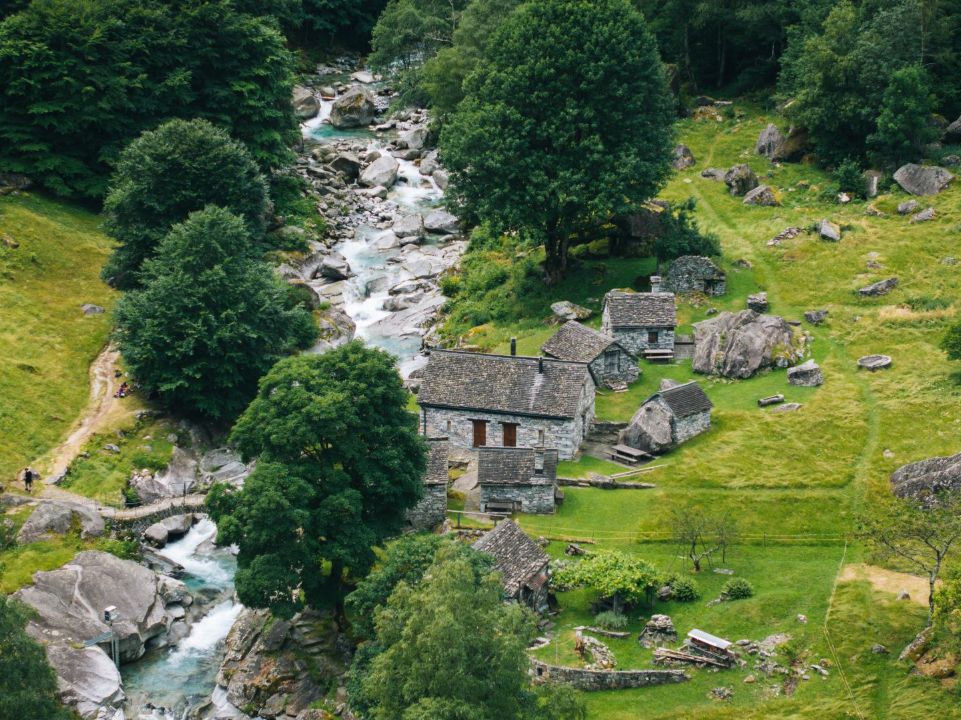
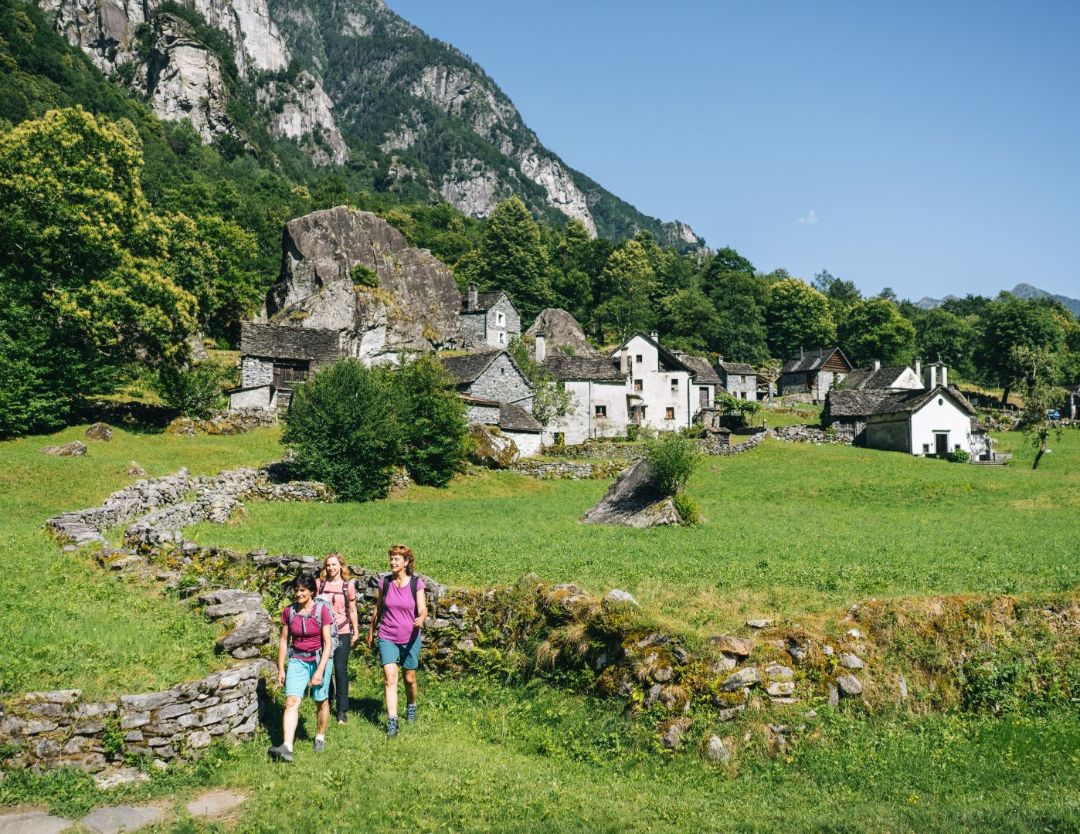
Set within a landscape of striking beauty, the Bavona Valley - a lateral valley of Vallemaggia - is today more vibrant than ever while remaining a precious testament to the rural life of the past. Its twelve hamlets, nestled among rocks and vegetation, embody the resilience of the people who learned to face the challenges of nature.

THE CHARACTER

Rachele Gadea Martini, Director of the Fondazione Valle Bavona
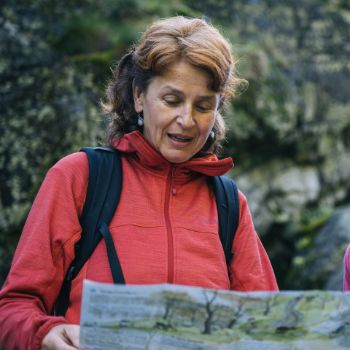
Rachele Gadea Martini, Director of the Fondazione Valle Bavona
I appreciate many aspects of the valley: the early morning, silences and low-lying mist.
THE COMPLETE STORY


Writer Plinio Martini described the steepest and rockiest landscape in the Alps as “the most rugged mountains in the world”. It is an apt portrayal: on entering the Bavona Valley you are met with rocks and boulders at every turn, yet this has never deterred people from settling here. On the contrary, within the scarce cultivable land at the valley floor, they adapted with remarkable ingenuity by reclaiming plots, building beneath and around boulders and carving steep paths up to the alpine pastures. For Rachele Gadea Martini, biologist and director of the Fondazione Valle Bavona, this valley is a place of the heart and of roots. It is a vast and varied landscape that Rachele is dedicated to promoting and, above all, preserving through the foundation’s activities and initiatives. The splüi — constructions built beneath rocks — form an integral part of the valley’s remarkable rural, cultural and natural heritage.

Well-maintained trails through the historic hamlets of Bavona Valley

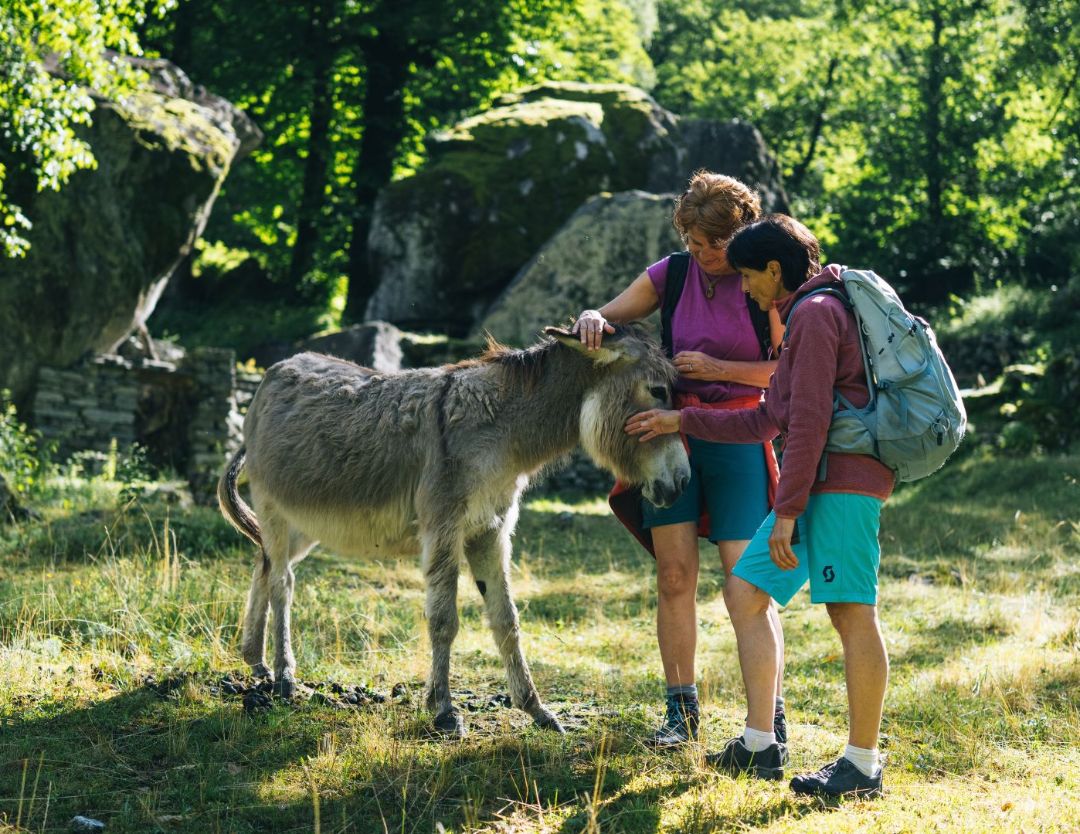
To truly grasp the essence of the Bavona Valley, nothing compares to following the transhumance route. From Cavergno to San Carlo, passing through Foroglio and the Calnègia Valley, the trail leads through forests, pastures and stone hamlets. Along the way, the under-rock dwellings reveal the lives of those who once moved with the seasons, travelling with their animals and carrying only what was essential.

I recommend exploring the Bavona Valley on foot.
Splüi in the Bavona Valley, a unique example of human-nature coexistence

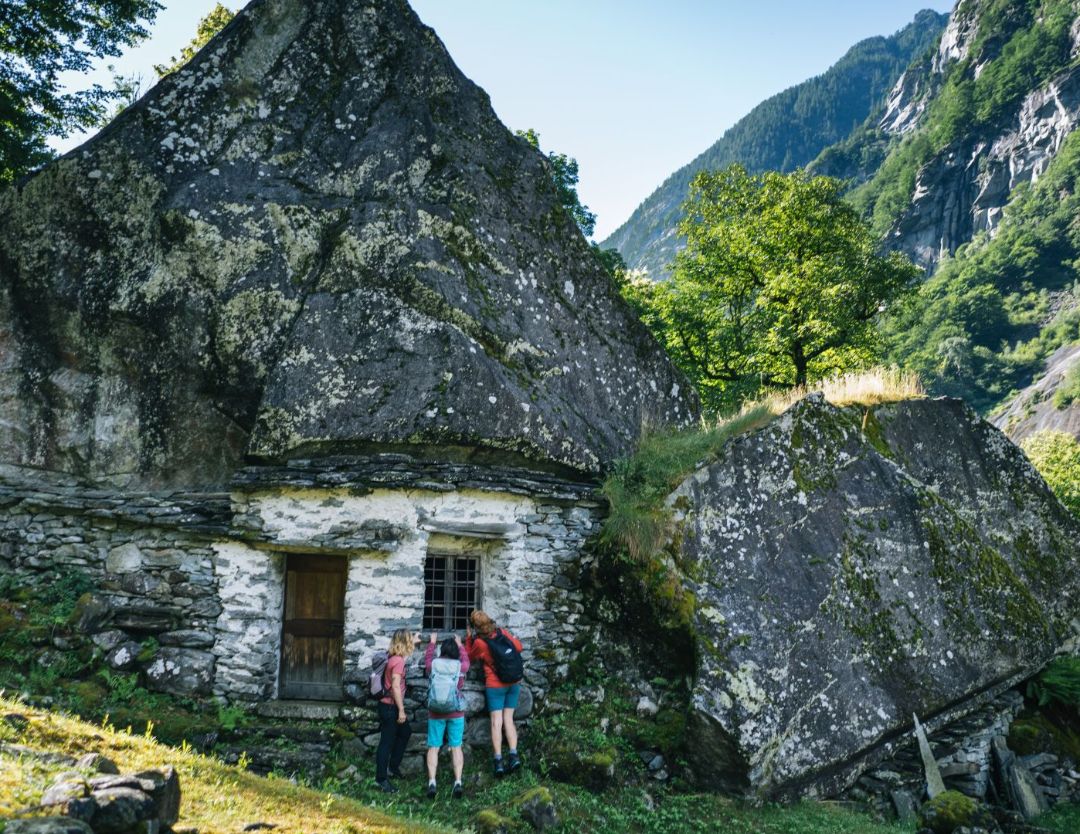
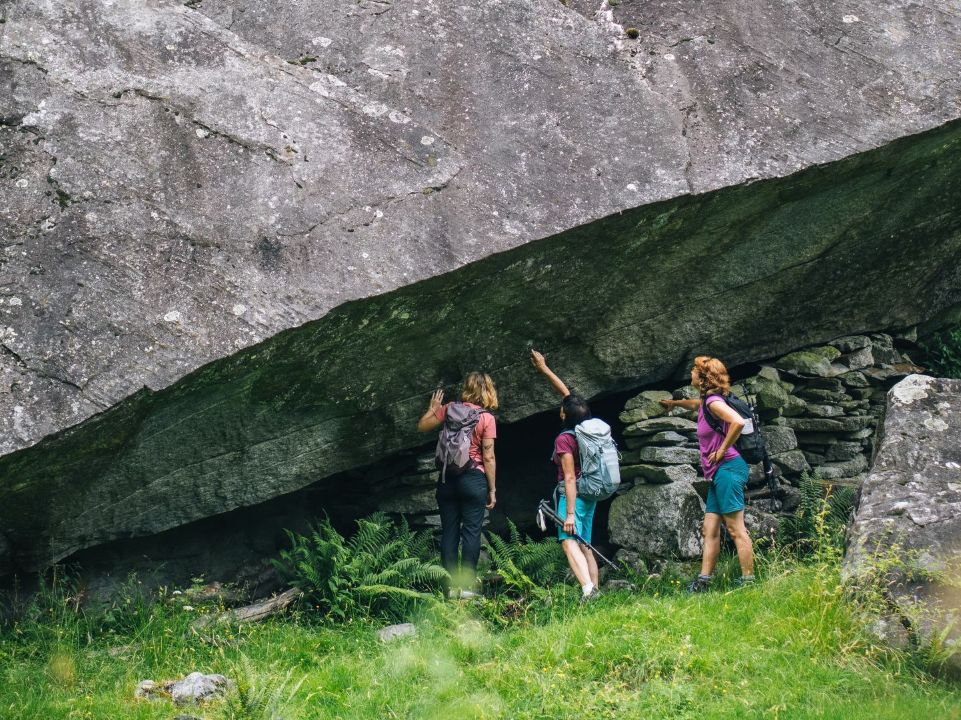
More than four hundred splüi have been documented in the Bavona Valley. Shaped by landslides, the large boulders offered natural spaces that locals adapted with creativity: cellars, shelters for animals, simple dwellings and even work areas. The forms vary greatly, from cavities carved beneath fallen rocks to structures using the boulder as a roof or leaning against it. In a landscape where arable land was scarce, every bit of rock was put to use.

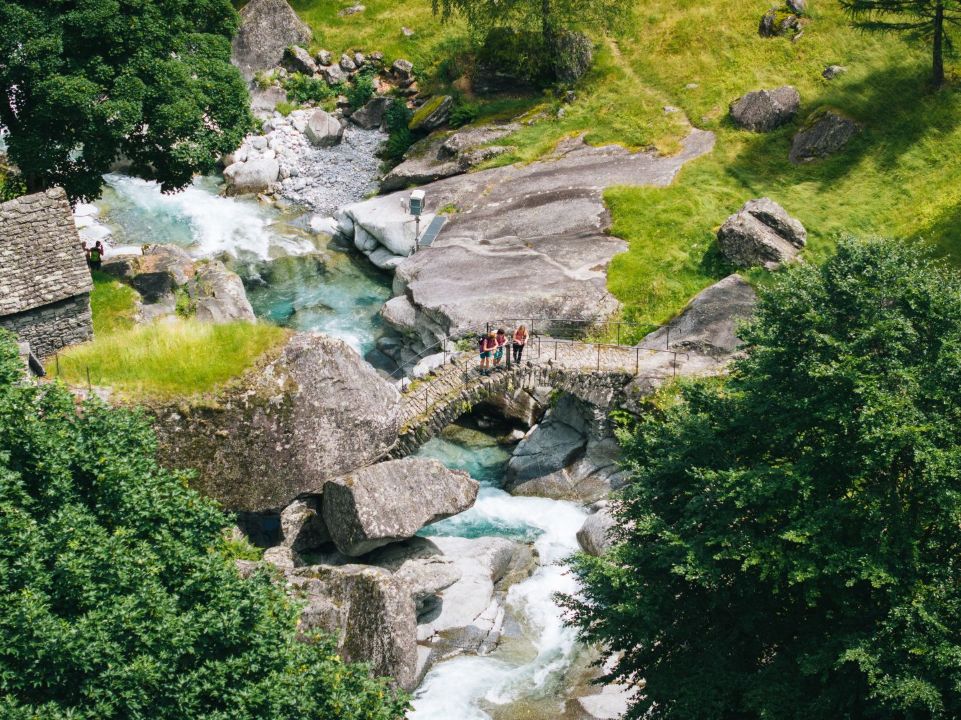
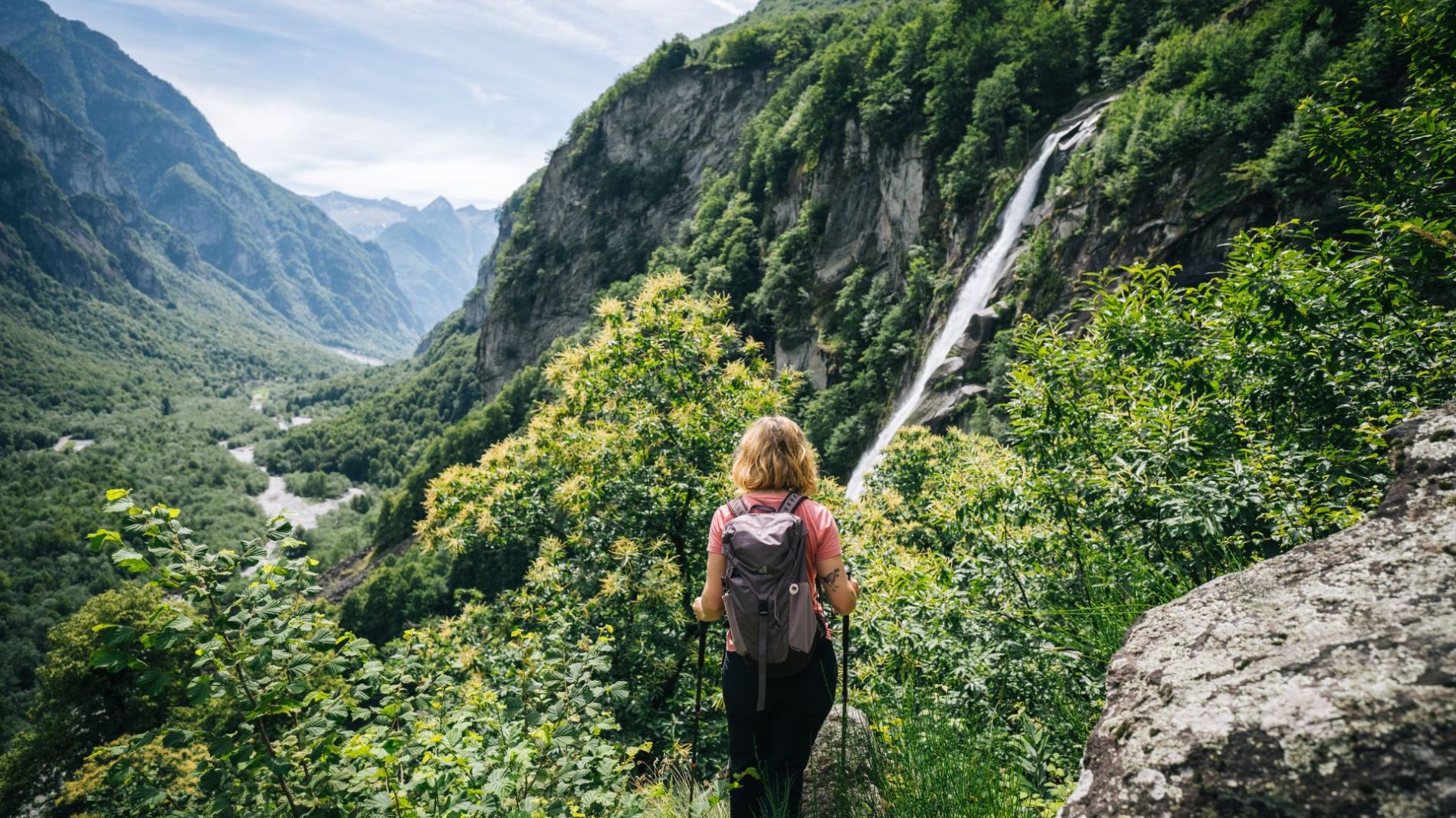
Climbing beside the scenic Foroglio waterfall, the path leads into the fairytale-like Calnègia Valley. In the Puntíd area, after the arched bridge and a small group of mountain huts, stands the most iconic example of this architecture: the Splüia Bèla. A long rock slab rests on a smaller boulder, creating two rooms connected by a narrow passage - one used as a dwelling and dairy, the other as a cattle shed.

The wild nature of Val Calnègia
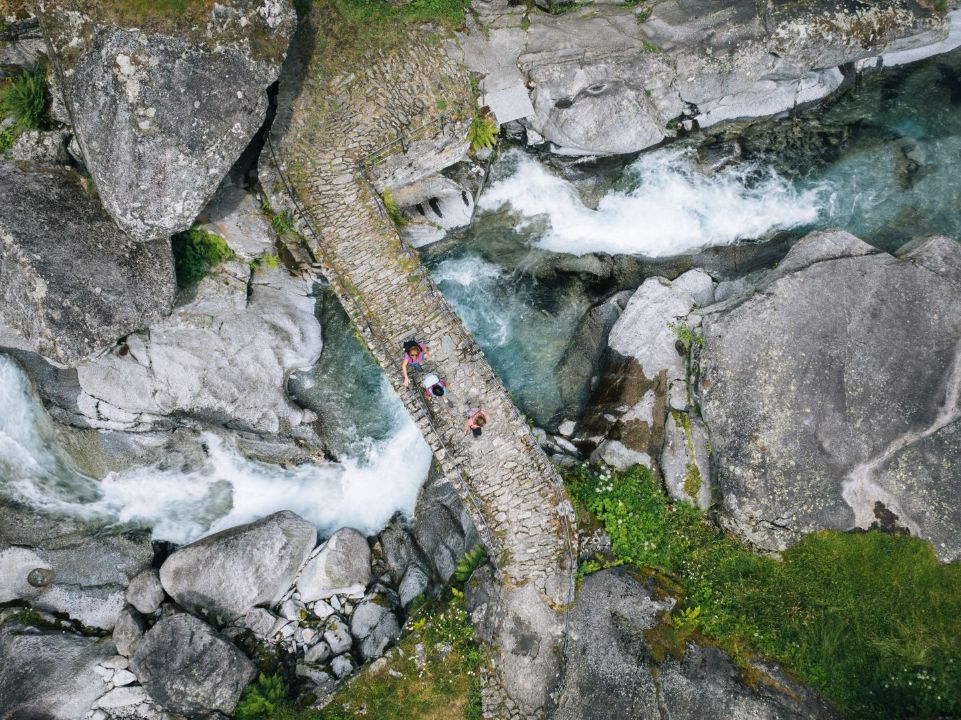
Stone bridge in Val Calnègia, Bavona Valley

This layout allowed farmers to reach their animals from inside, a solution shaped by practicality and the challenging environment. 

Stone bridge in Val Calnègia, Bavona Valley
Hiking in the Bavona Valley with views of the Foroglio waterfall
Pro tip
In the village of Foroglio, at the foot of its iconic waterfall, there is a swing installed by Swing the World.
The first evidence of human presence in the valley dates back roughly 5,000 years.
From San Carlo, you can take the cable car up to the Robièi area, at the foot of the Basòdino Glacier.

Walking through the Bavona Valley means stepping into a rural world that has largely disappeared. Its landscapes, stone buildings, meadows and historic trails have survived thanks to the constant care of local families and landowners.

Splüi beneath a massive boulder in Bavona Valley
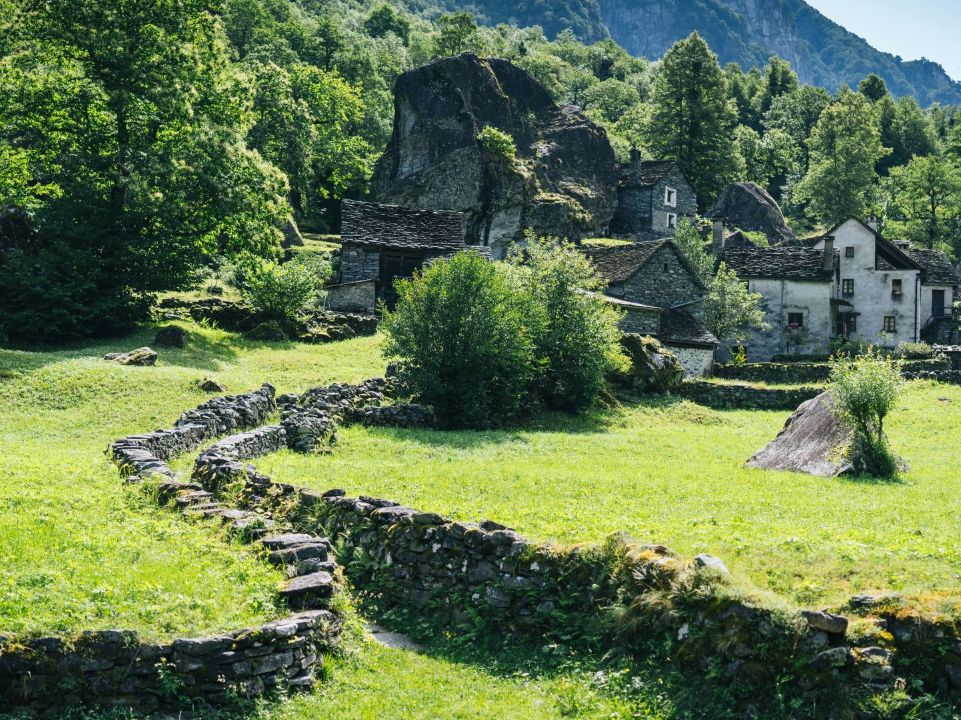
Transhumance trail through dry-stone walls and alpine hamlets

Preserving this fragile heritage calls for shared effort, a balance that sustains the valley and its community.

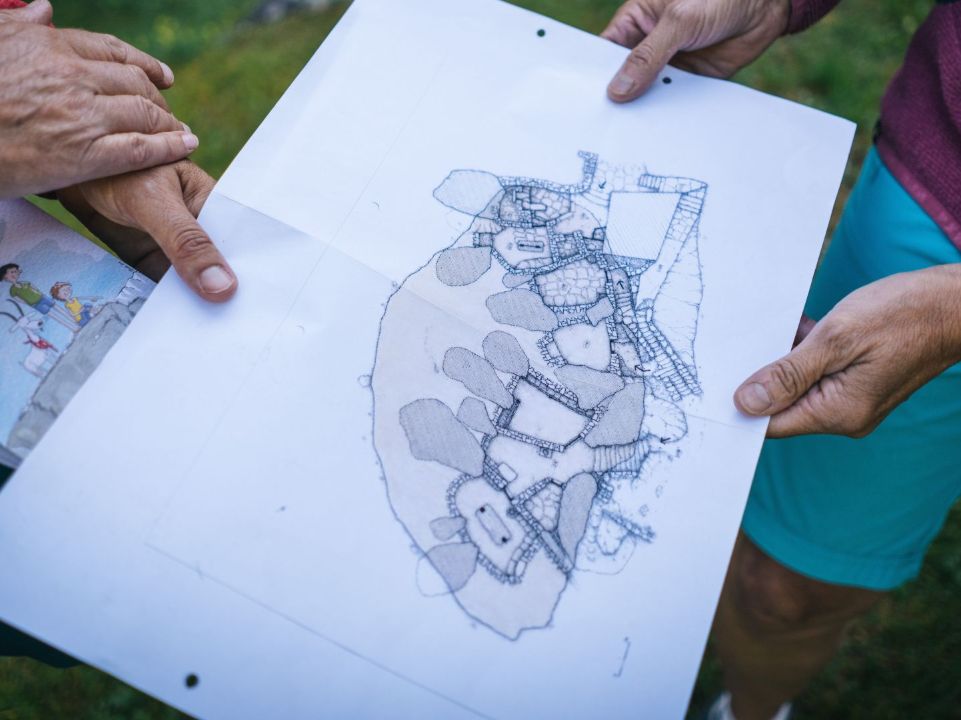
Map of the historical hamlet of Sabbione in the Bavona Valley

"When I arrive at my rustic building on a dark winter evening, I can’t wait to go in and light the fire and candles."

SHARE
Everyday life in close contact with nature in the Bavona Valley

As a child, Rachele spent her summers with her grandmother in one of the twelve villages. She fondly recalls the absence of electricity, the frugality of the dwelling and, above all, the sweeping panoramas. A life of quiet simplicity, marked by silence and the sounds of nature, which, yesterday as today, invites us to discover it on tiptoe, with respect and gratitude.

TIPPS FOR YOU


Stories

NEXT STORY